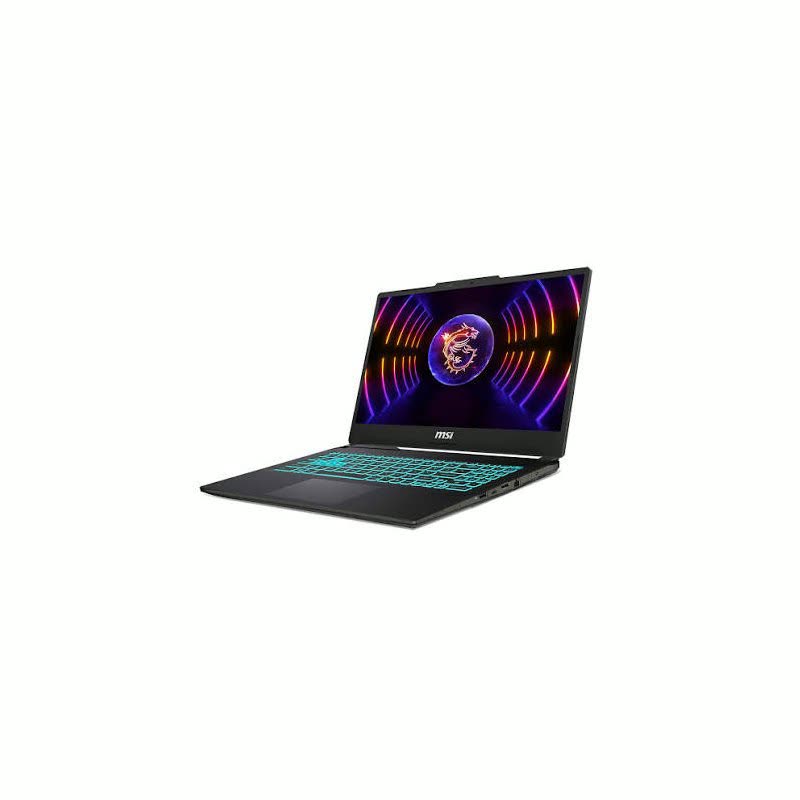
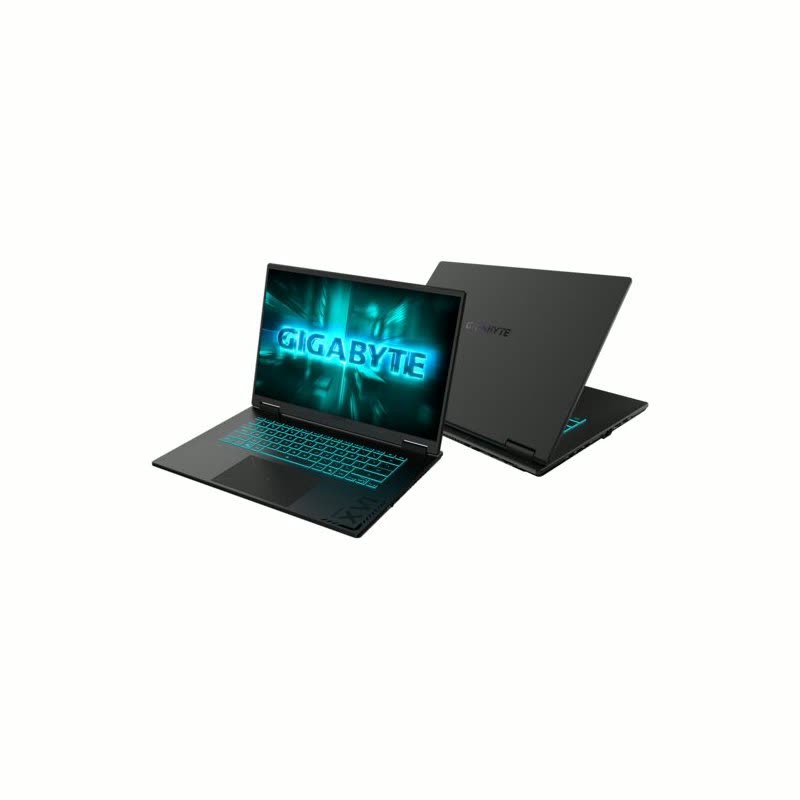
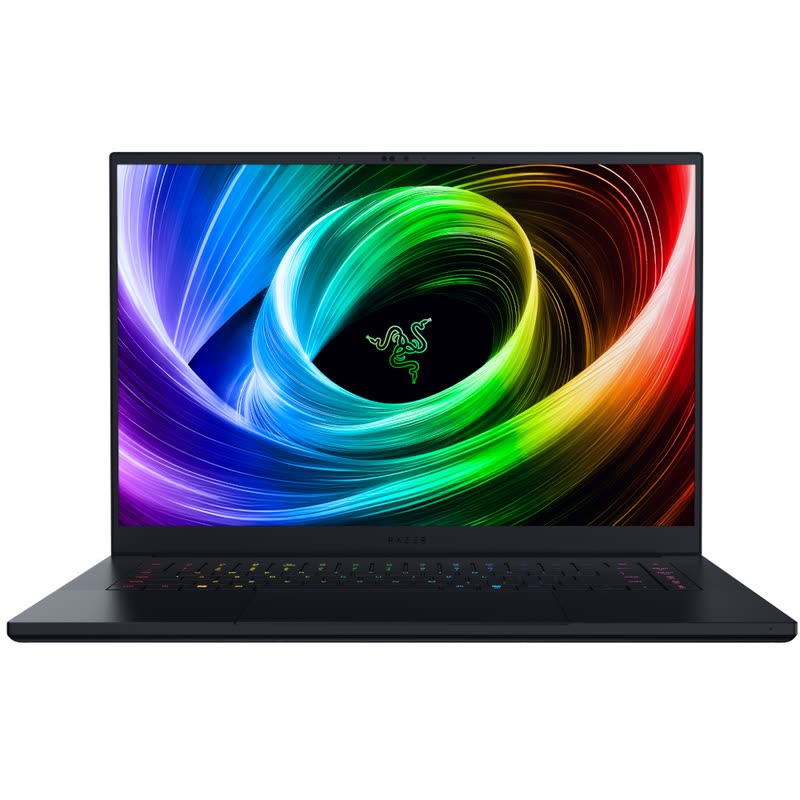
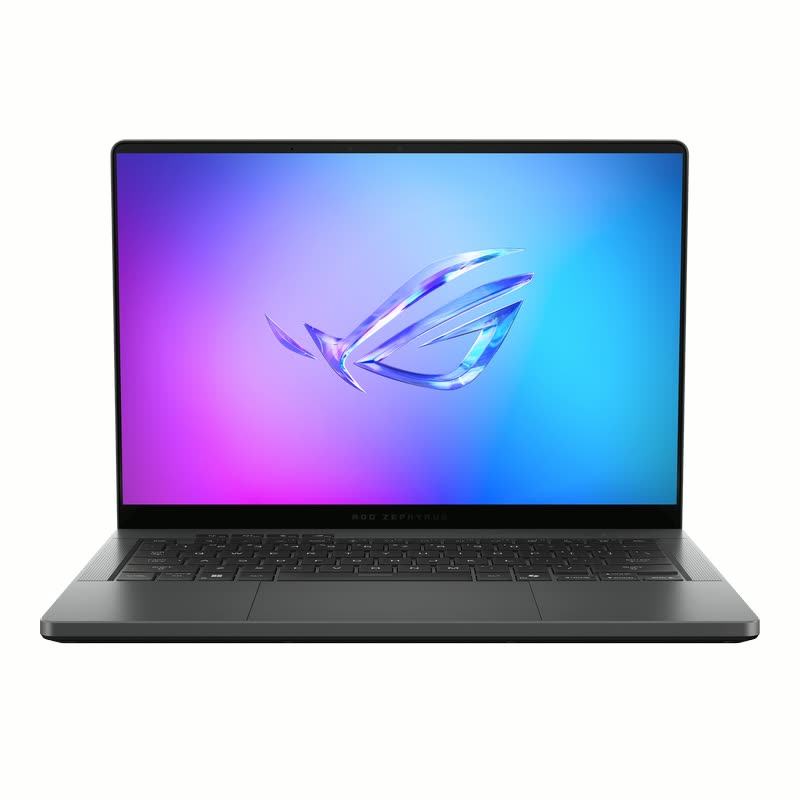
Both run modern games well. The right one depends on whether you need to carry it, how long you want it to last and how much you want to upgrade later.
Choose a gaming laptop if
- You need to carry it: to university, to work or between homes.
- Space is tight: one machine on a small desk, no separate monitor, keyboard or speakers to buy.
- You also use it for work or study away from home.
Look for a dedicated graphics card (an Nvidia GeForce RTX), at least 16 GB of memory and a screen of 144 Hz or more. Gaming laptops are heavier and louder under load than ordinary laptops, and the battery lasts far less while gaming. See our gaming laptops.
Choose a gaming PC if
- You want the most performance for the money: the same budget buys a faster graphics card in a desktop.
- You want to upgrade later: a desktop's graphics card, memory, storage and power supply can all be replaced; a laptop's graphics card can't.
- You play for long hours: a desktop stays cooler and quieter.
You'll also need a gaming monitor, a keyboard and a mouse if you don't have them. See our gaming PCs, built and tested in our shop in Ħamrun, or read what a gaming PC costs.
What matters most for games
1. The graphics card: it decides how smooth the game is and at what settings. 2. The processor: a recent Intel Core i5 / Ultra 5 or AMD Ryzen 5 is enough for most games. 3. Memory: 16 GB; 32 GB for the newest games and streaming. 4. Storage: an NVMe SSD, 1 TB or more, as games are large.
Can I connect a gaming laptop to a big monitor?
Yes, through HDMI or USB-C, and use it like a desktop at home. Check that the port supports the monitor's refresh rate.
Can a gaming laptop be upgraded?
Usually the memory and the SSD; the processor and graphics card are fixed.
Can I see them before buying?
Yes, at our shop in Ħamrun.